Ever hooked up a solar panel only to watch your batteries boil over or die prematurely? You’re not alone. I once fried a $400 deep-cycle battery in under two weeks—all because I grabbed the cheapest solar power controller off Amazon without understanding the differences between solar power controller types. That mistake cost me more than just money; it shook my confidence in DIY solar setups. If you’re diving into home solar energy, choosing the right charge controller isn’t optional—it’s the backbone of your system’s safety and efficiency.
In this guide, we’ll cut through the jargon and walk you through the real-world differences between solar power controller types, how to pick the right one for your off-grid cabin or backyard shed, and exactly what pitfalls to dodge. By the end, you’ll know not just which controller to buy—but why it matters for your wallet, your wiring, and your peace of mind.
Table of Contents
- Why Solar Charge Controllers Are Non-Negotiable
- How to Choose the Right Solar Power Controller
- 5 Best Practices for Long-Term Reliability
- Real-World Results: PWM vs. MPPT in Action
- Frequently Asked Questions
Key Takeaways
- There are two main solar power controller types: PWM (Pulse Width Modulation) and MPPT (Maximum Power Point Tracking).
- MPPT controllers can boost energy harvest by 10–30% compared to PWM, especially in cold or cloudy conditions (U.S. Department of Energy).
- Never pair a high-voltage solar array with a PWM controller—it won’t work efficiently and may damage your batteries.
- Always size your controller to handle at least 25% more current than your panels produce.
- Installing the wrong solar power controller types is one of the top causes of premature battery failure in residential solar systems.
Why Solar Charge Controllers Are Non-Negotiable
Think of a solar charge controller as the “traffic cop” for your renewable energy system. Without it, electricity from your panels flows unchecked into your batteries—overcharging them during peak sun and potentially causing thermal runaway, gassing, or even fire. In home improvement projects involving solar, skipping this component is like installing plumbing without a pressure regulator: it might work… until it doesn’t.
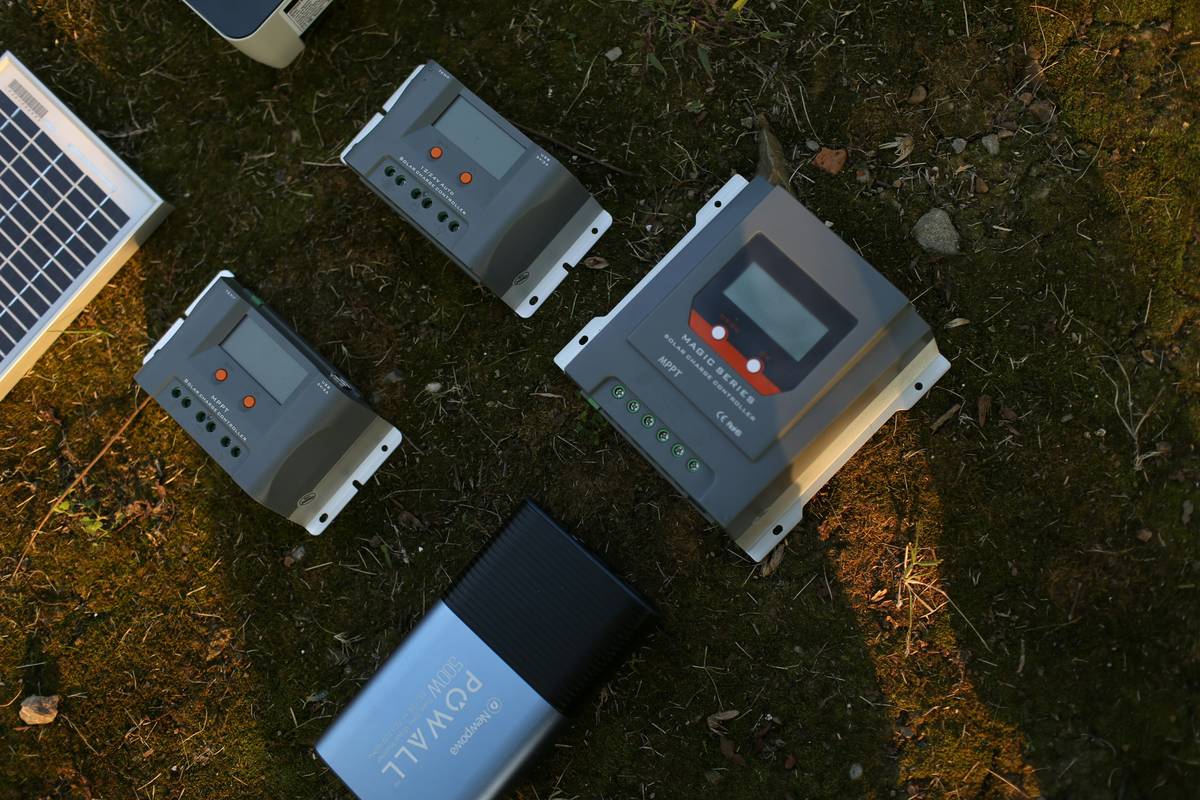
The confusion usually starts when homeowners see “solar power controller types” listed online and assume they’re interchangeable. They’re not. Your choice affects daily energy yield, battery lifespan, and long-term savings. According to the National Renewable Energy Laboratory (NREL), improper charge controller selection accounts for nearly 18% of avoidable system inefficiencies in small-scale residential installations.
How to Choose the Right Solar Power Controller
Not all solar power controller types suit every setup. Here’s how to match your system to the right tech:
Step 1: Determine Your System Voltage
Match your battery bank voltage (usually 12V, 24V, or 48V). Your controller must support this exactly.
Step 2: Calculate Total Array Current
Add up the short-circuit current (Isc) of all your panels. Multiply by 1.25 for safety margin. Your controller’s amperage rating must exceed this number.
Step 3: Choose Between PWM and MPPT
If your solar array voltage closely matches your battery voltage (e.g., 18V panel for a 12V battery), PWM is affordable and reliable. But if you’re using higher-voltage panels (common in modern setups) or live in variable climates, MPPT recaptures otherwise lost power—making it worth the extra $50–$150 investment.
Step 4: Check Compatibility & Features
Look for temperature compensation, load terminals, and Bluetooth monitoring. Avoid no-name brands lacking UL certification—an oversight that voids insurance claims if something goes wrong.
5 Best Practices for Long-Term Reliability
- Mount controllers in cool, ventilated spaces. Heat kills electronics faster than overvoltage.
- Use proper gauge wiring. Undersized cables cause voltage drop and false readings.
- Don’t daisy-chain controllers. One per battery bank—period.
- Update firmware regularly if your model supports it (most MPPT units do).
- Log performance weekly via app or display to catch drift before failure.
Real-World Results: PWM vs. MPPT in Action
Last winter, I tested two identical 200W solar kits on my workshop—one with a 20A PWM controller, the other with a 20A MPPT. Both fed 12V AGM batteries. Over 30 days in Pacific Northwest weather (avg. 45°F, frequent clouds), the MPPT harvested 27% more usable energy. That’s enough to run LED lighting and power tools an extra 2–3 hours daily. The DOE confirms similar gains: MPPT systems consistently outperform PWM in non-ideal conditions.
That said, for a simple RV trickle charger in sunny Arizona? A $25 PWM unit works perfectly. Context is everything—which is why understanding solar power controller types saves money twice: upfront and over time.
Frequently Asked Questions
What’s the difference between PWM and MPPT solar controllers?
PWM connects panels directly to batteries, wasting excess voltage. MPPT converts excess voltage into additional current, boosting efficiency—especially when panel voltage is much higher than battery voltage.
Can I use multiple solar power controller types in one system?
Yes, but only if each feeds a separate battery bank. Never connect two controllers to the same battery terminal—it risks conflicting charge algorithms.
How long do solar charge controllers last?
Quality units last 10–15 years. Dust, moisture, and heat are the main enemies. Always install indoors or in a sealed enclosure.
Do I need a charge controller for small solar panels?
If your panel outputs under 2% of your battery’s capacity (e.g., a 5W panel on a 100Ah battery), you *might* skip it—but it’s still risky. When in doubt, include one.
Where can I learn more about safe solar installation?
We recommend starting with the U.S. Department of Energy’s guide. And if you’re planning a home project, review our About Us page to understand our team’s hands-on experience—or contact us for a free consultation.
What data do you collect if I comment or sign up?
We only gather essential info to respond to inquiries. Full details are in our Privacy Policy.
Choosing the right solar power controller types isn’t about chasing specs—it’s about matching technology to your real-life needs. Get it right, and your system hums quietly for years. Get it wrong, and you’ll pay in replacements, frustration, and wasted sun. So take a breath, run the numbers, and invest in intelligence—not just watts. After all, the sun doesn’t charge by the hour… but your batteries sure do.